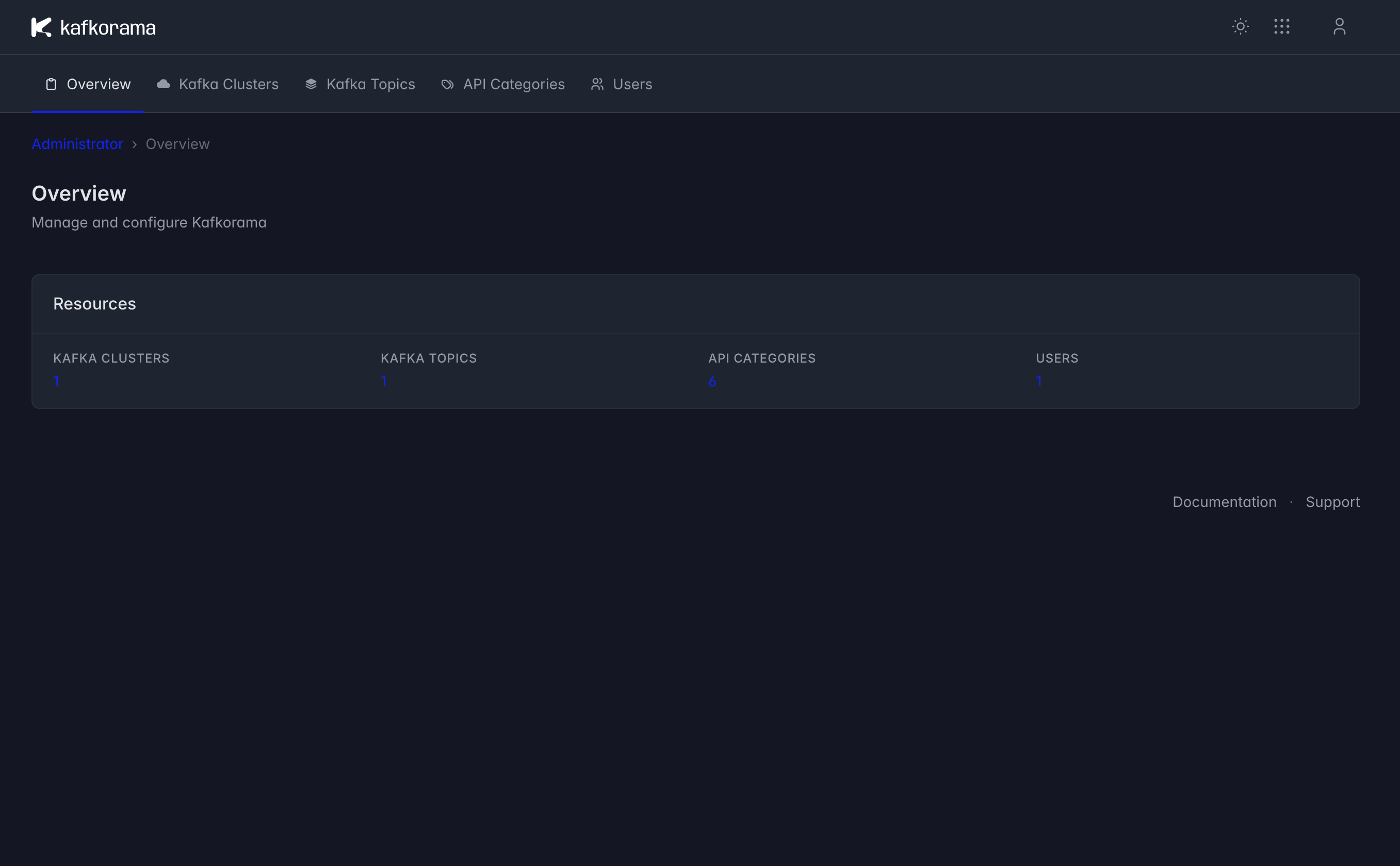
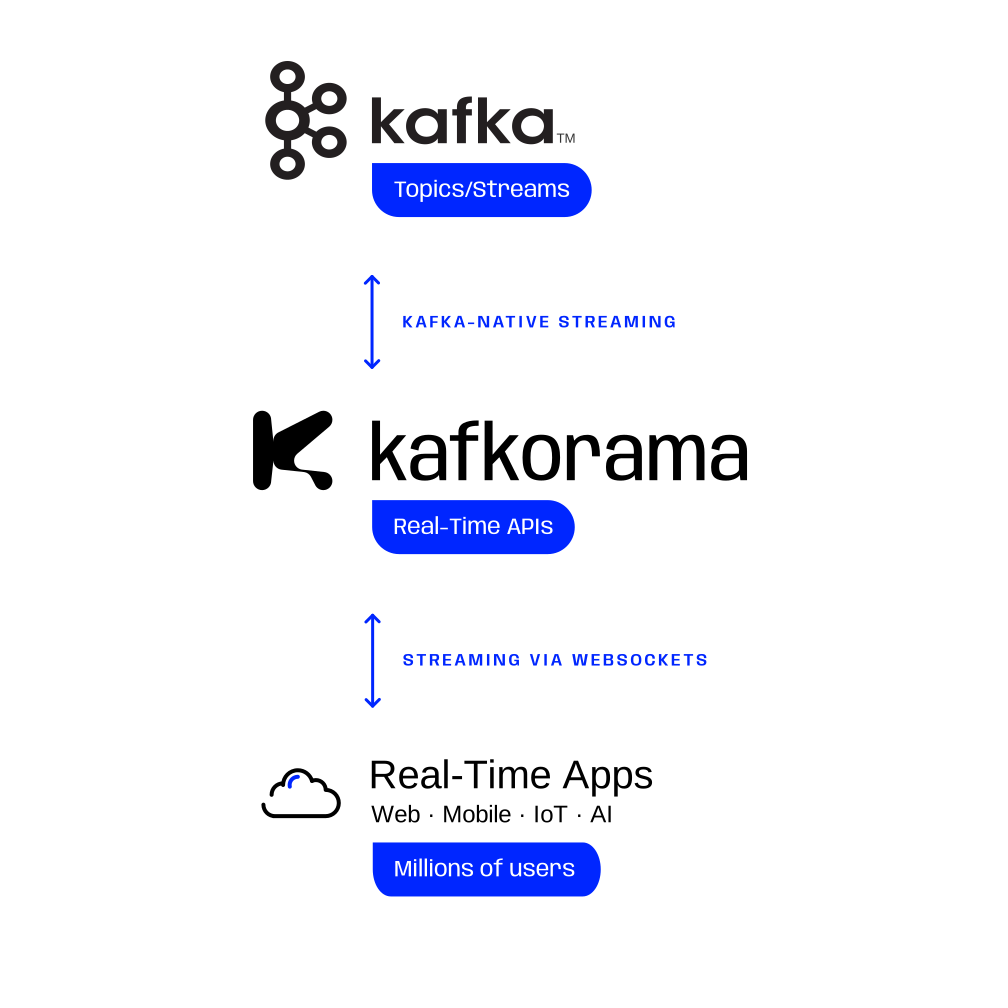
Kafkorama turns Apache Kafka® topics into WebSocket-based pub/sub streaming APIs that real-time apps can use without speaking the Kafka protocol. Scales vertically to one million clients per node and horizontally to millions of connected clients. Runs on-prem or in your VPC.
Kafkorama is built on MigratoryData, our real-time data technology, which has been serving 100M+ users monthly for over 15 years.
Monthly users
served with real-time data
Years in production
delivering real-time data at scale
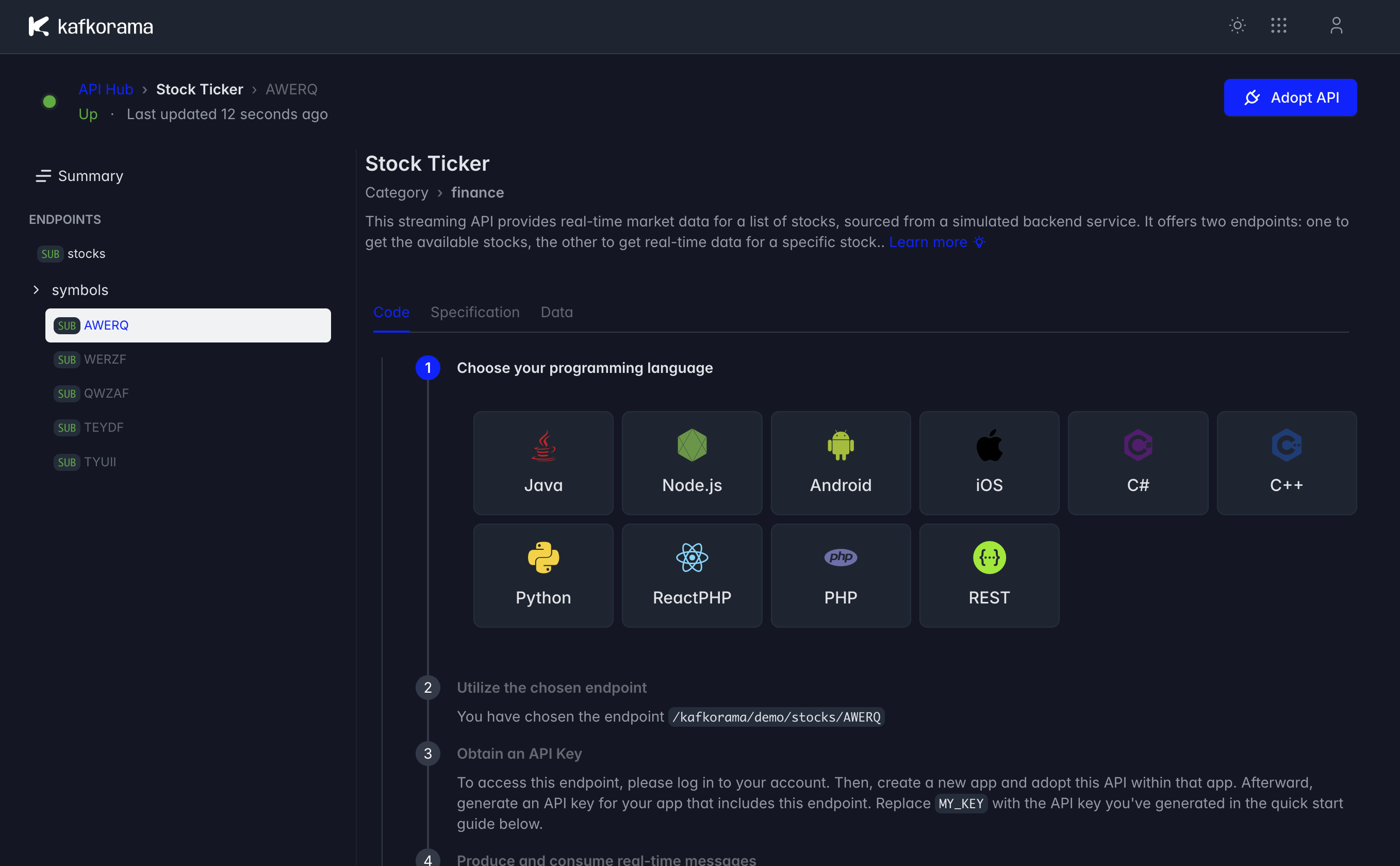
Turn Kafka data into governed pub/sub Streaming APIs that your teams, partners, and external developers can use to build real-time apps with Kafkorama SDKs for iOS, Android, Java, .NET, C++, JavaScript, Node.js, Python, PHP, and more — all without exposing Kafka brokers directly to real-time apps.
Kafkorama Gateway scales vertically to one million connected clients on a single node. It also scales horizontally to millions of connected clients with stateless multi-node clustering — simply add nodes to your Kafkorama Gateway cluster as the number of connected clients grows.
Run Kafkorama Gateway on-prem or in your VPC. Connect natively to your Kafka and Kafka-compatible services such as Amazon MSK, Confluent Cloud, and Azure Event Hubs — without Kafka Connect or changes to your Kafka setup.
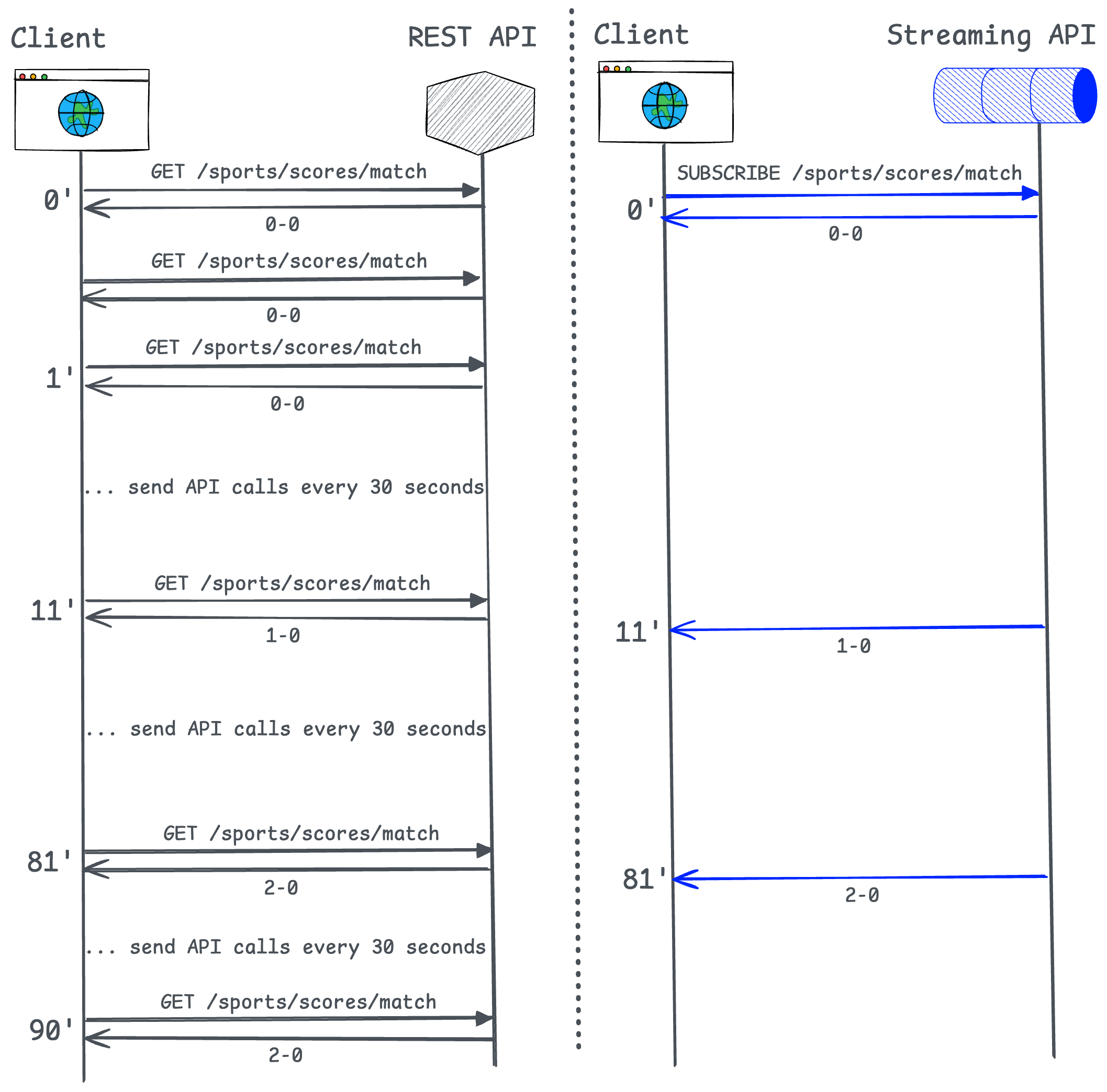
Kafka REST proxies expose Kafka data through REST APIs, while
Kafkorama exposes it through Streaming APIs. Both can provide
access to the same data through similar endpoints and corresponding
operations (GET/POST vs.
SUBSCRIBE/PUBLISH), but their
communication models differ. REST APIs use a request-response
model, while Streaming APIs use asynchronous pub/sub.
For example, a sports app can deliver live scores from Kafka
through the endpoint /sports/scores/match using either model.
Over a 90-minute match, polling a REST API every 30 seconds requires 180 GET requests per user, compared to a single subscription over a persistent WebSocket connection with a Streaming API. At scale — 1M users — that's 180 million REST API GET requests vs. 1 million WebSocket subscriptions. Less overhead, lower costs — especially with Kafkorama Gateway built to scale to millions of connected clients.
With REST polling every 30 seconds, updates can arrive up to 30 seconds late. Streaming APIs push updates over persistent WebSocket connections as they happen, enabling millisecond-level delivery latency without waiting for the next request.
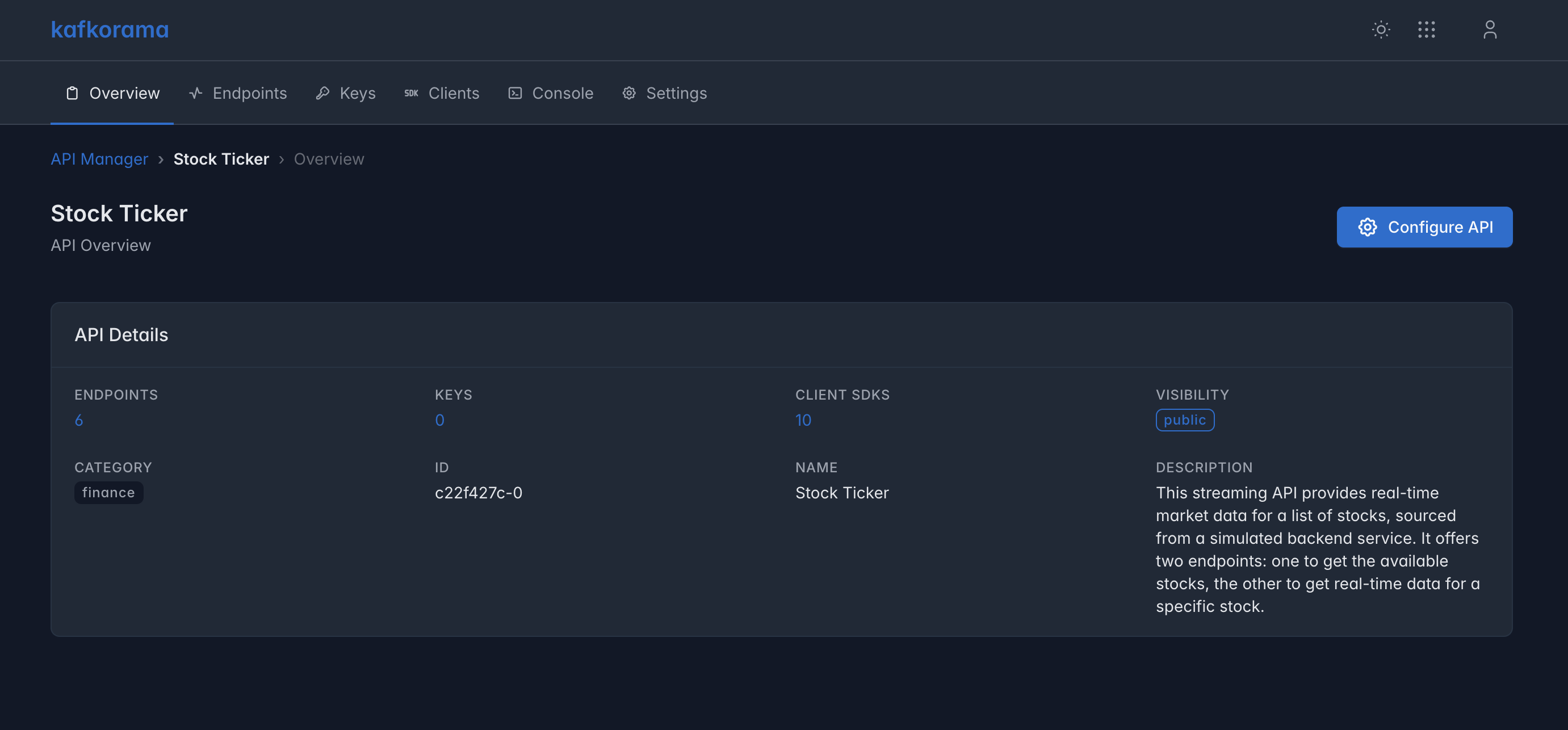
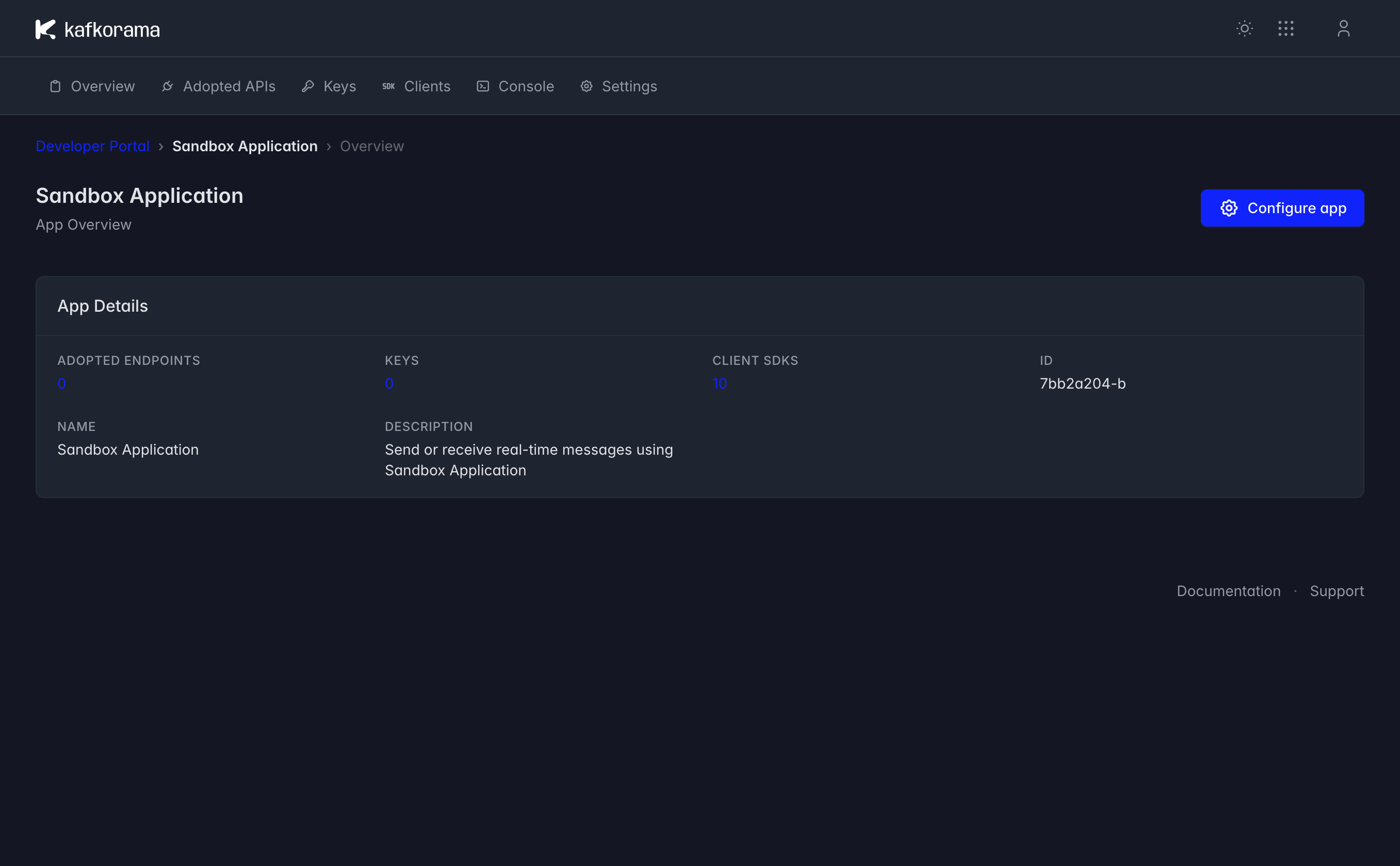
Just like REST APIs, Apache Kafka® topics can be abstracted and documented as streaming APIs. Kafkorama requires no configuration to map API endpoints to Kafka topics — each streaming API endpoint corresponds directly to a Kafka topic and (optionally) a Kafka key. Kafkorama Portal lets developers document these APIs using the AsyncAPI standard, providing consistent, shareable documentation. Developers can also generate JWT-based access keys and use the built-in console to interact with streaming APIs in real time.
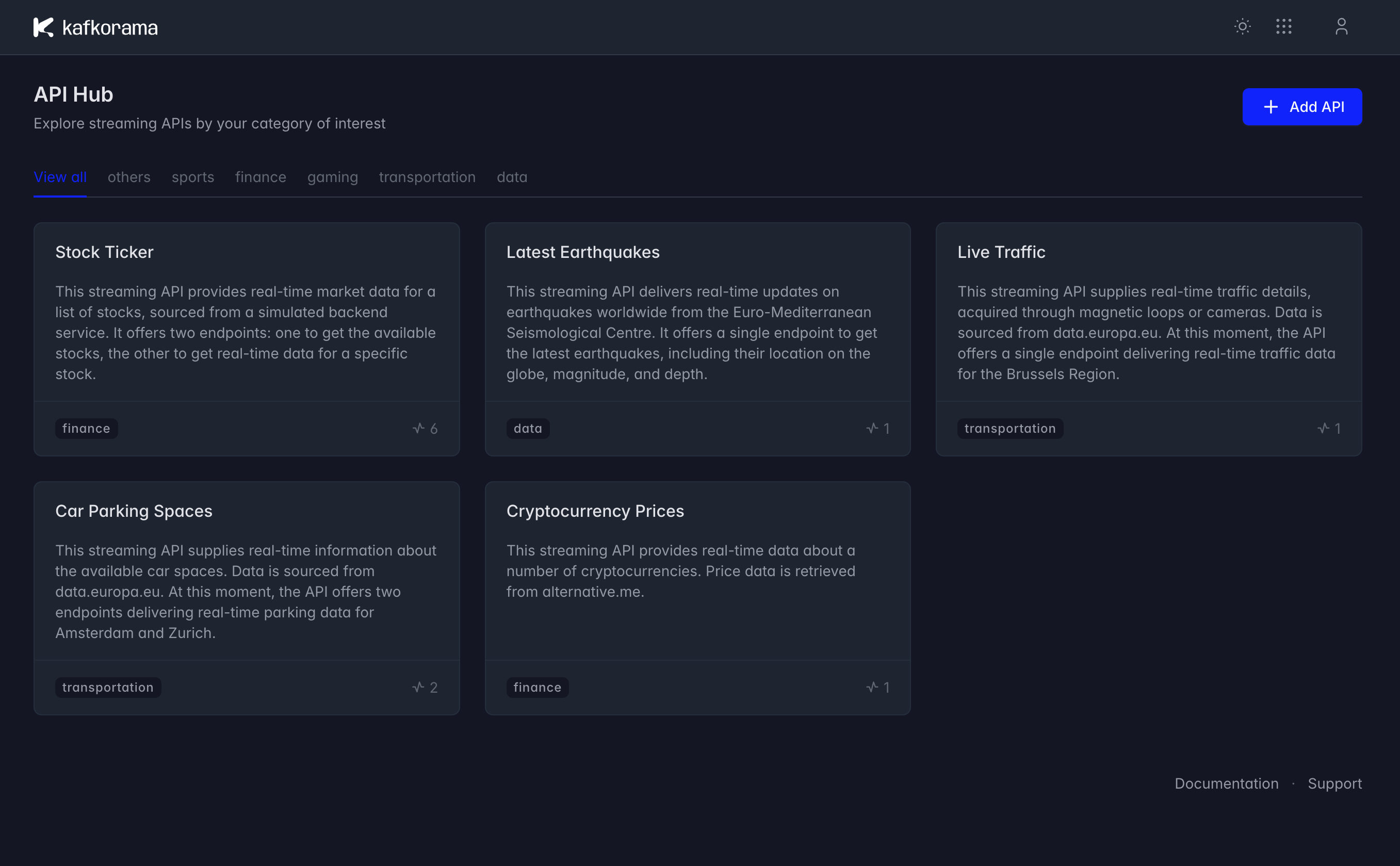
Internal teams, partners, and external developers can browse, adopt, test, and use streaming APIs via the Kafkorama Portal — enabling faster prototyping and real-time app development, just like with REST developer portals.
The Kafkorama Gateway streams real-time APIs between Apache Kafka® and millions of clients — over WebSocket connections backed by a highly scalable, horizontally and vertically optimized engine. It supports real-time, bidirectional communication, enabling both data delivery from Kafka and event ingestion back to Kafka. Like a REST API gateway, it acts as the runtime layer — but purpose-built for real-time delivery at scale.
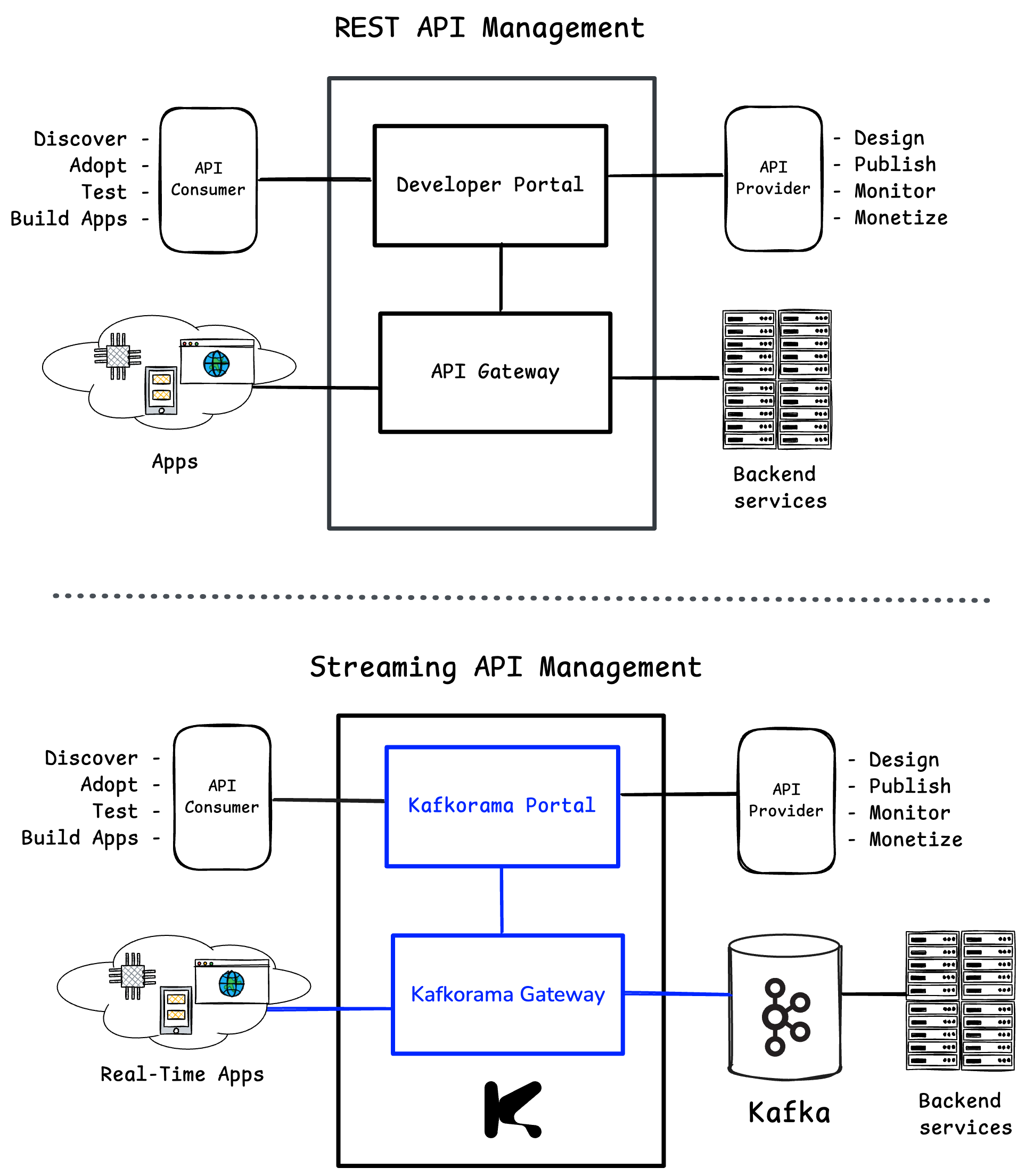
Kafkorama Portal transforms Kafka streams into Streaming APIs — using a minimalistic approach to API management through a lightweight portal. Define APIs using Kafka topics and keys, document them with AsyncAPI, secure them with JWT-based access keys, then discover, test, and generate integration code for web, mobile, or IoT in your preferred language.
We can show that a single instance of Kafkorama running on a single server can stream 1 Gbps of real-time data to 10 million concurrent clients — with under 100 milliseconds latency. But what really matters is how it performs in your environment, with your workloads. Start your no-risk evaluation and see how easily Kafkorama scales in your own environment.
Can’t find the answer you’re looking for? Reach out to our team — we’d be happy to help.